Risk Management in Forex: A Beginner’s Guide to Protecting Your Trading Capital

Samia Sajjad
FX Macro & Risk Coordinator
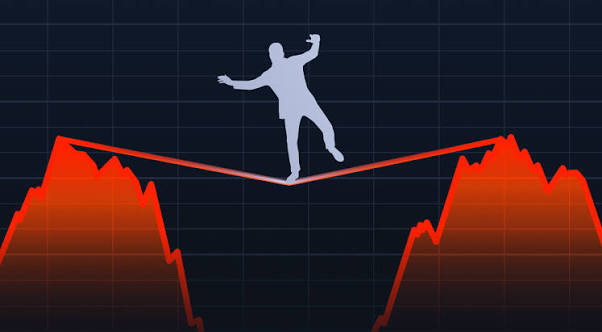
<h1>Risk Management in Forex: A Beginner’s Guide to Protecting Your Trading Capital</h1><p class="isSelectedEnd">Forex trading is not only about finding the right entry. A trader may have a good strategy and still struggle if too much capital is placed at risk on individual trades.</p><p class="isSelectedEnd"><br></p><p class="isSelectedEnd">This is where <strong>risk management in Forex</strong> becomes essential.</p><p class="isSelectedEnd"><br></p><p class="isSelectedEnd">Risk management is the process of deciding how much capital you are willing to risk, where your trade should be invalidated, how large your position should be, and how you will respond to losses. It helps traders approach the market with a structured plan instead of making decisions based on emotions.</p><p class="isSelectedEnd"><br></p><p>For beginners, learning <strong>Forex risk management</strong> should come before focusing heavily on profits.</p><p><img src="/storage/blogs/content/LBmn0ziqFV7iBKwlcp4KEciPszG9O1fRZYnGInht.png" alt="Risk managment in forex with stop loss and take profit levels" class="editor-image rounded-xl transition-all shadow-md" data-align="center" data-width="50" style="max-width: 100%; height: auto; border-radius: 0.75rem; box-shadow: rgba(0, 0, 0, 0.1) 0px 4px 6px -1px, rgba(0, 0, 0, 0.1) 0px 2px 4px -2px; width: 50%; display: block; margin: 1.5rem auto; float: none;"></p><h2>What Is Risk Management in Forex?</h2><p></p><p class="isSelectedEnd"><strong>Forex risk management</strong> refers to the rules a trader uses to control potential losses while participating in the currency market.</p><p class="isSelectedEnd">Before entering a trade, a disciplined trader should be able to answer questions such as:</p><ul data-spread="false"><li>How much of my account am I willing to risk?</li><li>Where will I exit if the market moves against me?</li><li>What position size is appropriate?</li><li>What is the potential reward compared with the potential risk?</li><li>What will I do if I experience several losing trades?</li></ul><p class="isSelectedEnd">The goal is not to eliminate losses. Losses are a normal part of trading. The objective is to make sure that one unsuccessful trade—or even a series of unsuccessful trades—does not unnecessarily damage the trading account.</p><p><br></p><p>Forex trading can involve leverage, which can magnify both gains and losses. This makes understanding and managing risk especially important for traders.</p><h2>Why Is Risk Management Important in Forex?</h2><p class="isSelectedEnd">A trading strategy does not produce winning trades every time.</p><p class="isSelectedEnd">Even a carefully analysed setup can fail because of unexpected market movement, volatility, news events, liquidity conditions, or an incorrect market assessment.</p><p class="isSelectedEnd"><br></p><p class="isSelectedEnd">Without risk management, traders may respond to a loss emotionally. They might increase their position size, enter another trade immediately, or move their stop-loss in the hope that the market will reverse.</p><p class="isSelectedEnd"><br></p><p class="isSelectedEnd">This can turn a manageable loss into a much larger one.</p><p><br></p><p>A proper risk management plan creates boundaries before emotions take over.</p><p><br></p><h3>Risk Management Helps Traders:</h3><div><br></div><p class="isSelectedEnd"><strong>Protect Trading Capital</strong><br>Capital is the resource that allows a trader to continue learning and participating in the market.</p><p class="isSelectedEnd"><br></p><p class="isSelectedEnd"><strong>Control Position Size</strong><br>Position sizing helps prevent traders from taking unnecessarily large positions.</p><p class="isSelectedEnd"><br></p><p class="isSelectedEnd"><strong>Reduce Emotional Decisions</strong><br>When risk is decided before entering a trade, there is less pressure to make decisions in the middle of market movement.</p><p class="isSelectedEnd"><br></p><p><strong>Create Consistency</strong><br>Using the same risk rules across trades makes it easier to evaluate a trading strategy over time.</p><p><br></p><h2>1. Never Ignore Position Sizing</h2><p class="isSelectedEnd">Position sizing determines how large a trade should be relative to the amount of capital and risk involved.</p><p class="isSelectedEnd"><br></p><p class="isSelectedEnd">A common mistake among beginners is choosing a position size simply because a particular lot size appears attractive.</p><p class="isSelectedEnd">Instead, position size should be connected to:</p><p class="isSelectedEnd"><br></p><p class="isSelectedEnd"><strong>Account size + acceptable risk + stop-loss distance</strong></p><p class="isSelectedEnd"><strong><br></strong></p><p class="isSelectedEnd">For example, imagine a trader has a $1,000 account and decides that they will risk only a small portion of their account on a particular setup.</p><p class="isSelectedEnd"><br></p><p class="isSelectedEnd">If the stop-loss is relatively far from the entry, the appropriate position size may need to be smaller. If the stop-loss is closer, the position size calculation can be different.</p><p class="isSelectedEnd"><br></p><p class="isSelectedEnd">The important principle is simple:</p><blockquote><p class="isSelectedEnd"><strong>Do not choose your risk based on the lot size. Choose your position size based on your predefined risk.</strong></p></blockquote><p>This is one of the fundamental ideas every beginner should understand before trading a live account.</p><h2>2. Understand Stop-Loss</h2><p class="isSelectedEnd">A <strong>stop-loss</strong> is an order designed to close a position when the market reaches a predetermined level.</p><p class="isSelectedEnd"><br></p><p class="isSelectedEnd">Traders commonly use stop-loss orders to define the point at which their trade idea is no longer valid.</p><p class="isSelectedEnd"><br></p><p class="isSelectedEnd">For example, if a trader enters a buy position because they expect price to continue upward, they may identify a level below which the original setup would no longer make sense. However, a stop-loss should not simply be placed at an arbitrary distance.</p><p class="isSelectedEnd"><br></p><p class="isSelectedEnd">It should be connected to the trading setup and market structure.It is also important to understand that a stop order does not necessarily guarantee execution at exactly the stop price. Actual execution can differ depending on market conditions and liquidity.</p><p class="isSelectedEnd"><img src="/storage/blogs/content/ftp9oWjEqfF51ifLFNWtfdIUNiv9zpykWNhl0jJ0.png" alt="Forex chart explaining stop loss" class="editor-image rounded-xl transition-all shadow-md" data-align="center" data-width="50" style="max-width: 100%; height: auto; border-radius: 0.75rem; box-shadow: rgba(0, 0, 0, 0.1) 0px 4px 6px -1px, rgba(0, 0, 0, 0.1) 0px 2px 4px -2px; width: 50%; display: block; margin: 1.5rem auto; float: none;"></p><h2>3. Understand Risk-to-Reward Ratio</h2><p></p><p class="isSelectedEnd">Another important concept in Forex risk management is the <strong>risk-to-reward ratio</strong>.</p><p class="isSelectedEnd">Suppose a trader is willing to risk $10 on a trade and has a potential target of $20.</p><p class="isSelectedEnd"><br></p><p class="isSelectedEnd">The trade has a <strong>1:2 risk-to-reward relationship</strong>.</p><p class="isSelectedEnd"><br></p><p class="isSelectedEnd">This does not mean the trade will automatically be profitable. Risk-to-reward is simply a way of comparing the potential loss with the potential gain before entering a position.</p><p class="isSelectedEnd"><br></p><p class="isSelectedEnd">A trader should consider the quality of the setup, market structure, entry location, stop-loss placement and realistic target rather than choosing a target simply because it produces an attractive ratio.</p><h2>4. Avoid Overleveraging</h2><p class="isSelectedEnd">Leverage allows traders to control a larger position with a smaller amount of capital. While leverage can increase exposure to potential gains, it can also increase losses quickly.</p><p class="isSelectedEnd"><br></p><p class="isSelectedEnd">This is why beginners should be especially careful when using high leverage.</p><p class="isSelectedEnd"><br></p><p class="isSelectedEnd">A useful mindset is:</p><p><strong>More leverage does not automatically mean better trading.</strong></p><p><strong><br></strong></p><p></p><p></p><p></p><p class="isSelectedEnd"><span>Understanding the position you are taking is more important than simply choosing the highest leverage available.</span></p><h2>5. Set a Maximum Daily or Weekly Loss Limit</h2><p class="isSelectedEnd">Risk management should not only apply to individual trades.</p><p class="isSelectedEnd">A trader can also create a <strong>daily or weekly loss limit</strong>.</p><p class="isSelectedEnd"><br></p><p class="isSelectedEnd">For example, a trader may decide that after reaching a predetermined loss limit for the day, they will stop trading and review their decisions instead of attempting to recover the loss immediately.</p><p class="isSelectedEnd"><br></p><p class="isSelectedEnd">This can help prevent <strong>revenge trading</strong>. Revenge trading happens when a trader enters additional positions primarily because they want to recover a previous loss.</p><p class="isSelectedEnd"><br></p><p class="isSelectedEnd">The market does not owe a trader a recovery trade.</p><p>Sometimes the most disciplined decision is simply to stop, review and return when the mind is clear.</p><h2>6. Never Risk Money You Cannot Afford to Lose</h2><p class="isSelectedEnd">Forex trading involves financial risk, and traders should not use money needed for essential living expenses or important financial obligations.</p><p class="isSelectedEnd"><br></p><p class="isSelectedEnd">This is particularly important for beginners who may become influenced by social media posts showing large profits without showing the losses behind them.</p><p class="isSelectedEnd"><br></p><p class="isSelectedEnd">Trading should not be treated as a shortcut to instant income.</p><p class="isSelectedEnd">Instead, traders should understand the risks involved and develop a plan that matches their financial circumstances.</p><h2>7. Keep Emotions Out of Risk Decisions</h2><p class="isSelectedEnd">Risk management and <strong>trading psychology</strong> are closely connected.</p><p class="isSelectedEnd"><br></p><p class="isSelectedEnd">Fear can cause a trader to close a good setup too early. Greed can encourage excessive position sizes. After a loss, frustration can lead to revenge trading.</p><p class="isSelectedEnd"><br></p><p>This is why a trading plan should be created <strong>before</strong> entering the market.</p><p><br></p><p class="isSelectedEnd">A simple checklist can include:</p><ol data-spread="false" start="1"><li>What is the market structure?</li><li>What is my entry?</li><li>Where is my stop-loss?</li><li>Where is my target?</li><li>How much am I risking?</li><li>Is this setup consistent with my trading strategy?</li><li>Am I entering because of analysis—or because of emotion?</li></ol><p>If the answer to the final question is emotion, stepping away from the chart may be the better decision.</p><h2>8. Maintain a Trading Journal</h2><p class="isSelectedEnd">A trading journal allows you to record your decisions instead of relying on memory.</p><p class="isSelectedEnd">For every trade, consider recording:</p><ul data-spread="false"><li>Currency pair or instrument</li><li>Date and time</li><li>Entry price</li><li>Stop-loss</li><li>Take-profit</li><li>Position size</li><li>Risk amount</li><li>Reason for entering</li><li>Market conditions</li><li>Result</li><li>Emotional state</li><li>Lesson learned</li></ul><p class="isSelectedEnd">After several trades, the journal can reveal patterns.</p><p>For example, a trader may discover that they perform poorly when entering outside their planned trading session or when increasing position size after a loss.</p><p class="isSelectedEnd">This information can help improve the trading process.</p><h2>Risk Management and Trading Strategy Must Work Together</h2><p class="isSelectedEnd">Risk management does not replace market analysis.</p><p class="isSelectedEnd">A trader still needs to understand the market, develop a trading strategy and identify suitable setups.</p><p class="isSelectedEnd"><br></p><p>At <strong>Mianwali Forex Academy</strong>, students can explore concepts such as <strong>Price Action, Smart Money Concepts (SMC), market structure, support and resistance, and Forex trading</strong>, while risk management remains an important part of developing a disciplined trading approach.</p><p><br></p><p><img src="/storage/blogs/content/0go4Yy3lED3PT1dCxnFqQrgzdOjNY7aclFCbyytw.jpg" alt="Mianwali Forex Academy" class="editor-image rounded-xl transition-all shadow-md" data-align="center" data-width="50" style="max-width: 100%; height: auto; border-radius: 0.75rem; box-shadow: rgba(0, 0, 0, 0.1) 0px 4px 6px -1px, rgba(0, 0, 0, 0.1) 0px 2px 4px -2px; width: 50%; display: block; margin: 1.5rem auto; float: none;"><p><br></p><br></p><h2>A Simple Forex Risk Management Checklist</h2><p class="isSelectedEnd">Before placing a trade, ask yourself:</p><p class="isSelectedEnd">☐ Do I understand why I am entering this trade?<br>☐ Have I identified my stop-loss?<br>☐ Is my position size appropriate for my planned risk?<br>☐ Have I identified a realistic target?<br>☐ Have I considered the current market volatility?<br>☐ Am I following my trading plan?<br>☐ Am I trading with money I can afford to lose?<br>☐ Am I calm enough to make a rational decision?</p><p class="isSelectedEnd">If several answers are <strong>No</strong>, there may be a reason to pause before entering the trade.</p><h2>Common Risk Management Mistakes Beginners Make</h2><p class="isSelectedEnd">Some of the most common mistakes include:</p><p class="isSelectedEnd"><br></p><h3><b>Risking Too Much on One Trade</b></h3><p class="isSelectedEnd">A single trade should not have the power to seriously damage an account.</p><p class="isSelectedEnd"><br></p><h3><b>Moving the Stop-Loss</b></h3><div><p class="isSelectedEnd">Moving a stop farther away simply because the trade is losing can turn a planned loss into an uncontrolled one.</p><p class="isSelectedEnd"><br></p><h3><b>Increasing Position Size After a Loss</b></h3><p class="isSelectedEnd">Trying to recover losses quickly can create even greater exposure.</p><p class="isSelectedEnd"><br></p><h3><b>Trading Without a Plan</b></h3><p class="isSelectedEnd">Entering trades because of a social media signal, a friend's suggestion or a sudden price movement can lead to inconsistent decisions.</p><p class="isSelectedEnd"><b><br></b></p><h3><b>Ignoring Leverage</b></h3><p class="isSelectedEnd">A small account combined with excessive leverage can create substantial exposure.</p><p class="isSelectedEnd"><br></p><h3><b>Chasing Guaranteed Returns</b></h3><p class="isSelectedEnd">No legitimate trading strategy can guarantee profits. Traders should be cautious of offers that promise guaranteed or unusually high returns.</p><p class="isSelectedEnd"><br></p><h2>Final Thoughts</h2><p class="isSelectedEnd">Forex trading is not simply about finding profitable entries.</p><p class="isSelectedEnd"><br></p><p class="isSelectedEnd">A trader also needs to understand <strong>how much to risk, where to exit, how large a position to take and how to respond to losses</strong>.</p><p class="isSelectedEnd">That is why risk management should be treated as a core trading skill—not an optional addition.</p><p class="isSelectedEnd"><br></p><p class="isSelectedEnd">A strong trading routine combines market analysis, a clearly defined strategy, disciplined risk management and emotional control.</p><p class="isSelectedEnd"><br></p><p class="isSelectedEnd">At <strong>Mianwali Forex Academy</strong>, our focus is on helping learners understand Forex through structured education, market analysis and practical trading concepts.</p><p class="isSelectedEnd"><br></p><p class="isSelectedEnd">Whether you are interested in <strong>Forex Trading, Price Action, SMC, Support and Resistance, or Trading Psychology</strong>, building a strong foundation should come before taking unnecessary risks in the market.</p><p class="isSelectedEnd"><br></p><p class="isSelectedEnd"></p><p></p><p></p><p class="isSelectedEnd"><strong><a href="https://wa.me/923237925555">Contact Mianwali Forex Academy</a></strong></p><p></p></div><p class="isSelectedEnd"><br></p><p><br></p>
"Gold trading demands ultimate psychological discipline. Because of liquidity pool sweeps and high daily volatility spreads, risking more than 1% to 1.5% of equity per position represents excessive gambling rather than execution."